 TheFitnessPlate
How Processing Affects Plate Nutrition
Exploration of how food preparation and processing methods influence nutrient availability and overall nutritional value of plate components.
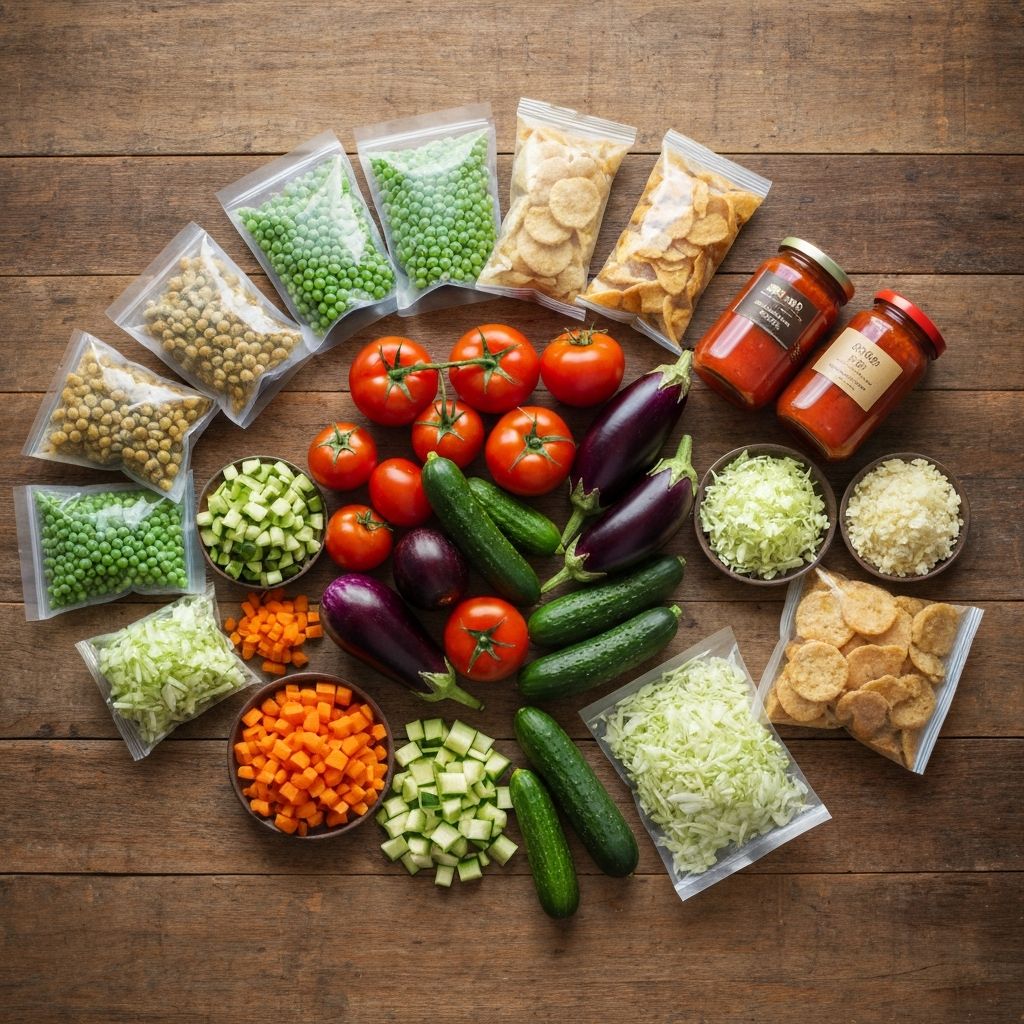
Understanding Food Processing
Food processing encompasses a spectrum of methods from minimal manipulation—such as washing and cutting—to extensive industrial processing involving heat, chemical additives, and structural modification. Each processing method creates distinct effects on food composition, nutrient availability, and physiological properties.
Rather than viewing processing as uniformly negative or positive, nutritional science examines specific processing effects on particular nutrients and overall health outcomes.
Heat Processing Effects
Cooking methods influence nutrient availability through multiple mechanisms:
- Water-soluble vitamin changes: Heating can degrade some B vitamins and vitamin C through oxidation. However, excessive heat losses only occur with prolonged cooking in water—steaming and quick sautéing better preserve these nutrients.
- Micronutrient bioavailability enhancement: Heat processing can increase bioavailability of certain compounds. Cooking tomatoes increases lycopene availability, while heating vegetables can reduce compounds that inhibit mineral absorption.
- Protein structure changes: Cooking unfolds protein structures, potentially enhancing digestibility compared to raw proteins. Heat also eliminates certain antinutrients present in raw foods.
- Polyphenol effects: Some cooking methods preserve beneficial plant compounds while others reduce them. The effects vary by cooking temperature, duration, and specific food.
Mechanical Processing
Cutting, grinding, and other mechanical processes influence nutrient availability:
- Increased surface area can enhance nutrient absorption efficiency in the digestive tract.
- Breaking cell walls may increase bioavailability of certain nutrients previously bound within plant cell structures.
- However, mechanical processing can also increase oxidation of certain compounds when surfaces are exposed to air.
Grain Processing and Whole Grain Removal
Grain refining removes the nutrient-dense bran and germ components, significantly reducing fiber, micronutrient, and phytonutrient content. This processing represents one of the most significant nutrient alterations in the modern food supply.
While refinement creates shelf-stable products with altered texture, it substantially reduces the nutritional value of individual components and the overall nutritional benefit of plate composition when refined grains substitute for whole grains.
Water-Based Processing
Boiling vegetables in excess water can leach water-soluble nutrients including certain vitamins and minerals. However, the liquid containing extracted nutrients can be retained in soups or stocks, preserving these compounds within the overall meal.
Steaming, microwaving, and stir-frying preserve more water-soluble nutrients by limiting contact with cooking water.
Industrial Processing Effects
Industrial food processing often involves:
- Nutrient reduction: Extended storage, transport, and processing stages can reduce nutrient content through oxidation and degradation.
- Additive introduction: Processing frequently involves addition of preservatives, emulsifiers, and other compounds modifying food composition beyond nutrient changes.
- Structure modification: Ultra-processing disrupts the food matrix, separating nutrients, fibers, and other compounds previously packaged together.
- Trans fat and refined carbohydrate creation: Some processing methods create compounds with distinct physiological effects compared to their unprocessed counterparts.
Fermentation and Traditional Processing
Some processing methods actually enhance nutritional value:
- Fermentation: Fermented foods develop beneficial compounds and enhanced nutrient bioavailability. Fermentation of legumes and grains reduces antinutrients and increases mineral availability.
- Sprouting: Germinating seeds and grains reduces antinutrients and increases nutrient bioavailability while developing new compounds.
- Soaking and cooking traditional legumes: Proper preparation dramatically improves digestibility and nutrient bioavailability compared to raw forms.
Processing and Plate Composition
Understanding processing effects informs balanced plate choices:
- Emphasizing minimally processed components maximizes nutrient density and bioavailability.
- Appropriate cooking methods preserve heat-sensitive nutrients while enhancing bioavailability of others.
- Whole grain and legume selection provides substantially greater nutrient content than refined alternatives.
- Diverse vegetable preparation methods—raw, lightly cooked, and fermented—ensure varied nutrient delivery.
Practical Processing Considerations
Optimal processing approaches balance:
- Nutrient preservation: Minimal processing and appropriate cooking methods preserve heat-sensitive compounds.
- Food safety: Adequate processing ensures pathogenic organism elimination and food safety.
- Bioavailability enhancement: Some processing methods enhance overall nutrient availability compared to raw foods.
- Accessibility and practicality: Processing methods support food accessibility and preparation convenience without sacrificing core nutritional value.
Educational Context: This article explores how processing methods influence food composition and nutritional value. This is educational information, not medical or nutritional advice. Individual responses to different foods and processing methods vary. Consult qualified professionals for personalized guidance.